Soft natural summer outfits become easier to build when the first question is how the clothes behave on a hot, ordinary day. Can you sit comfortably, walk to lunch and carry a bag without rearranging everything? If Soft Natural is a style reference you find useful, you can explore an easy shape, gentle shaping and fabrics that move. Treat the outfits below as practical trials, with comfort and personal preference deciding what stays.
Start with a fabric you can wear through the afternoon
A loose shirt may look airy on a hanger yet feel warm if the weave is dense or the lining traps heat. Look at the full garment, including its lining, and feel the fabric against your skin. Cotton, linen and blends can produce very different results depending on weight, weave and finish. The fiber label gives useful information; it does not tell you by itself whether the finished piece will feel comfortable.
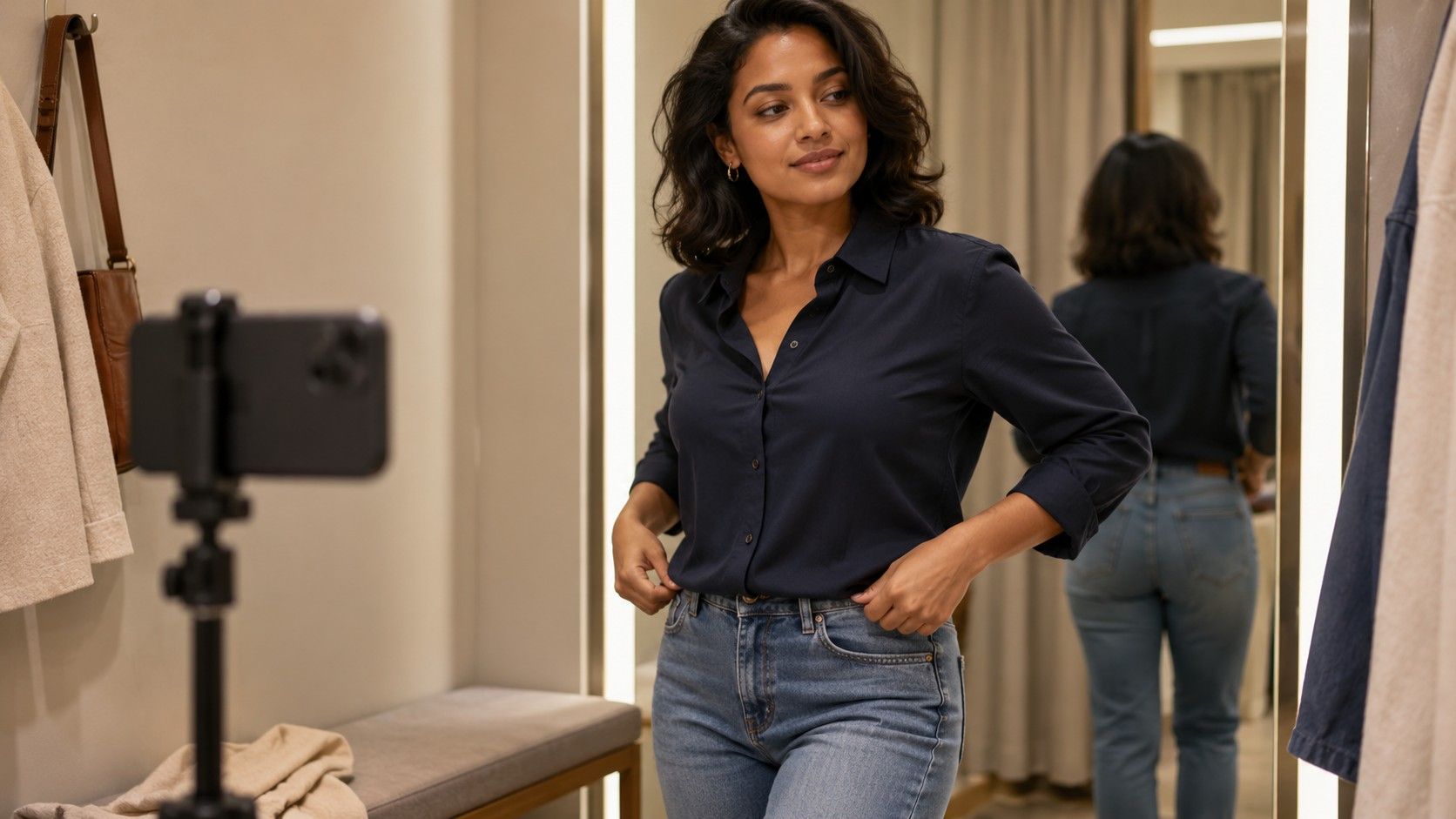
Try a lightweight shirt with relaxed trousers as an initial outfit. Leave enough room across the back to reach forward, and check whether the sleeves allow movement. If you prefer some shaping, use a partial tuck or choose a shirt with a slight curved cut. You do not need to pull the waist tight to make the outfit look considered. A waistband that becomes uncomfortable at lunch will matter more than a tidy changing-room photograph.
Hold pale fabrics up to light and check them over the underwear you intend to wear. Then bend and sit. A skirt that looks opaque standing still can become more revealing when stretched across the seat. If you would need an extra layer to feel at ease, consider whether a different fabric would make the outfit simpler. Summer dressing often improves when one suitable garment replaces two unsuitable ones.
Find a neckline that stays where you put it
An open shirt collar, a modest V, a scoop or a square neckline can each be worth trying. These are options, not requirements attached to an identity. Wear the bra or underlayer you expect to use, lean forward and raise your arms. Check coverage, strap position and whether the edge returns to place. A neckline you like should not demand that you keep a hand on it all day.
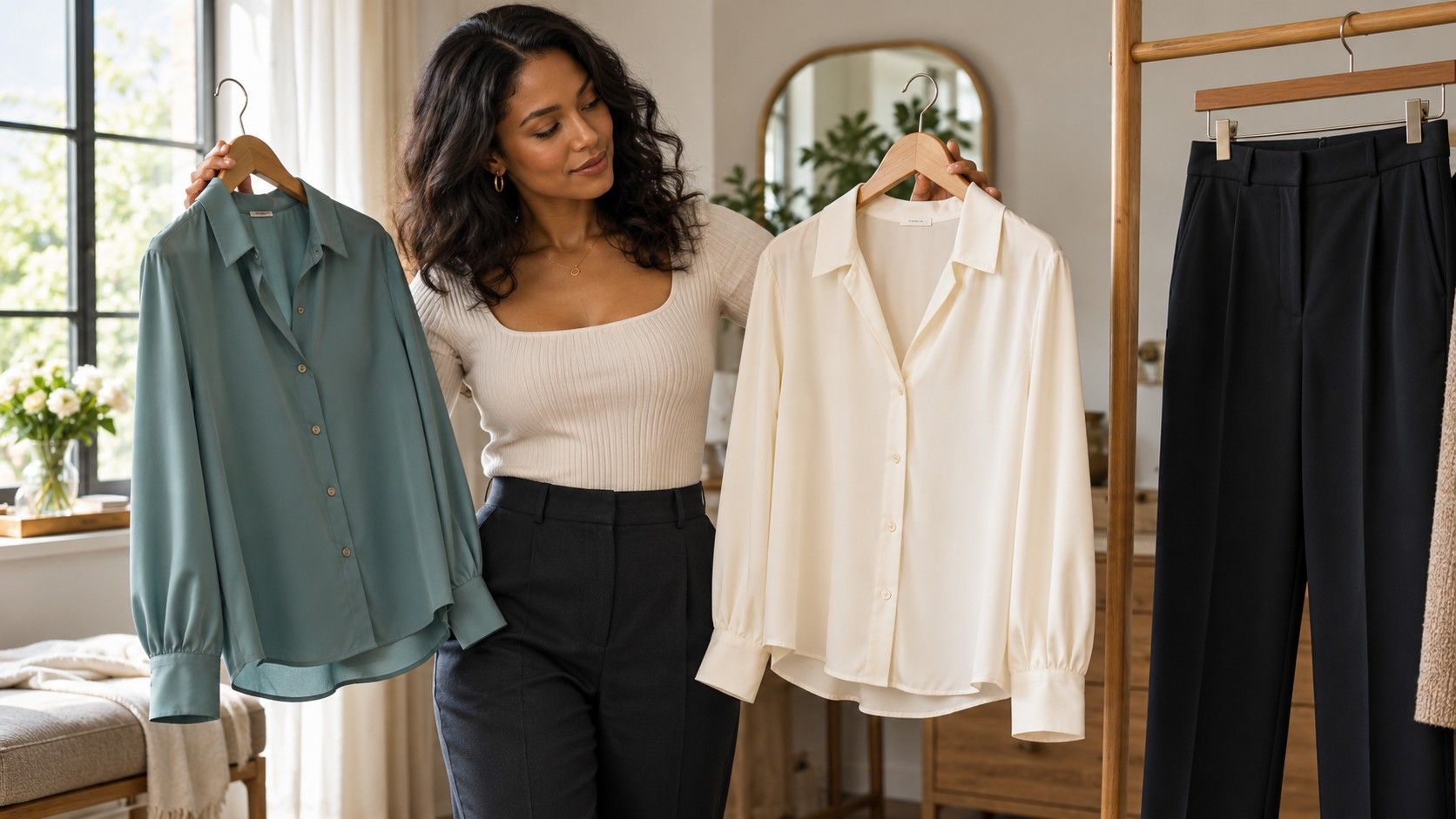
For a casual outfit, compare a soft cotton T-shirt with an easy blouse using the same trousers and shoes. The blouse may provide the movement you enjoy; the T-shirt may be the more comfortable choice for a long walk. If either feels too loose, test a shorter hem or a small tuck before adding another layer. Changing length can clarify the outfit without making it tighter.
Air conditioning and sun exposure complicate a bare-shouldered outfit. A lightweight overshirt gives you a layer you can put on for an indoor meal or a cooler journey. Try it both open and closed before leaving home. A layer that only works draped for a photograph can become irritating when you need both hands. Choose coverage around the day you have planned, rather than around an assumed summer dress code.
Let trousers, shorts and skirts earn their space
Relaxed trousers are useful when you want coverage without a stiff, enclosed feeling. Check the rise while sitting and make sure the pocket openings lie comfortably. A softer leg may move pleasantly but catch under your heel if it is too long. Try the trousers with the actual shoes you will wear and walk several steps, including a stair if one is available.
Shorts deserve the same attention. Walk, sit and stand again to see whether the hem rides up or the waistband rolls. A longer inseam may reduce the adjusting you need to do, while another cut may feel better in the heat. Neither length is a verdict on your legs. If the garment fails the movement test, another pattern can be more useful than forcing yourself to get used to it.
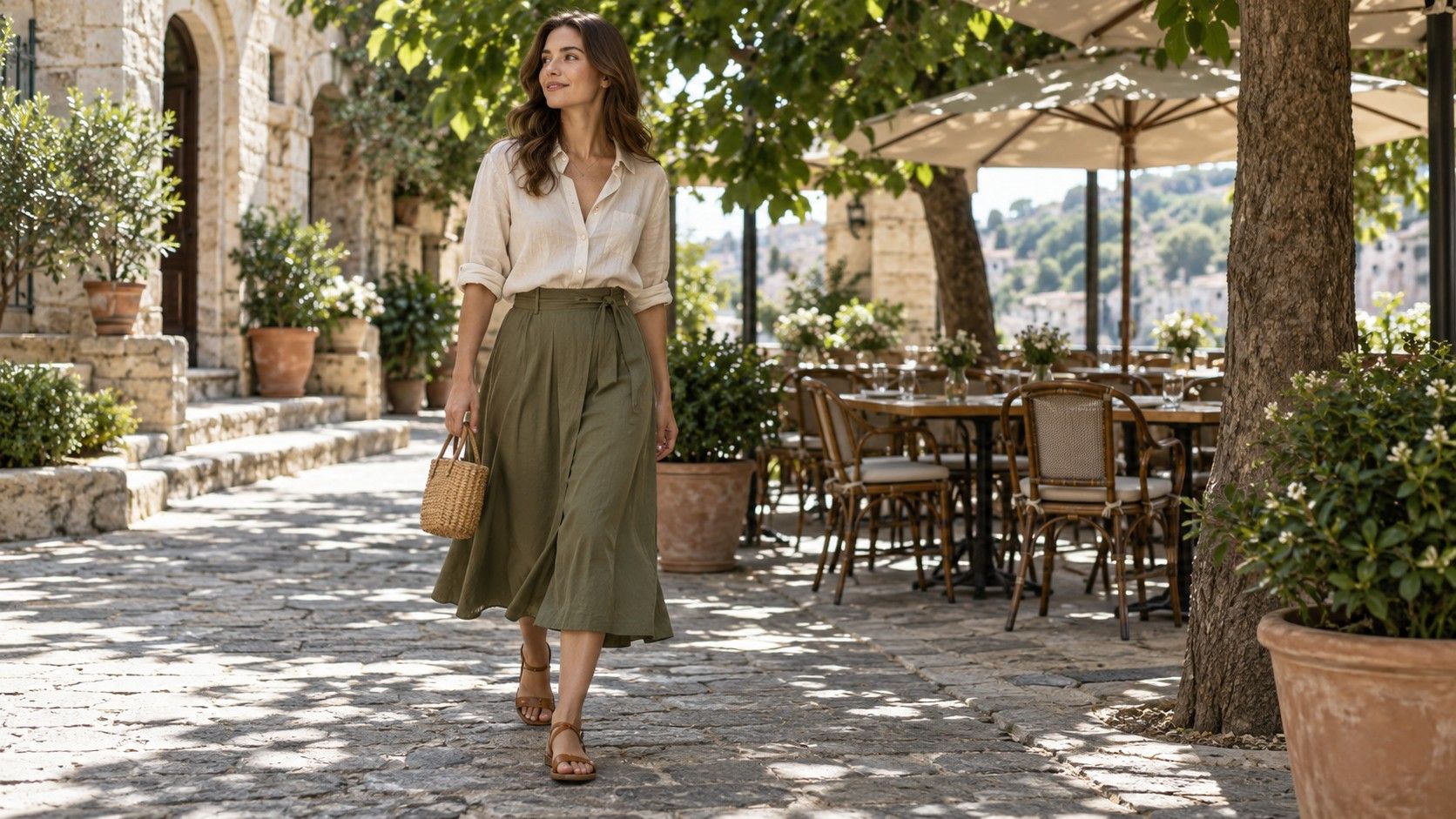
With a skirt, compare a soft A-line, a gently gathered shape and a straighter cut if you have them available. Concentrate on movement and how the waistband feels under the top. A very full skirt and a long loose blouse may create more volume than you want together; shortening or tucking the blouse can change the balance. Keep the combination if you enjoy that volume. There is no obligation to remove it.
Use a few outfit formulas for different days
It helps to choose by activity before choosing by label. The table offers starting combinations and a specific check for each. Swap pieces freely: a skirt can replace trousers, and a flat shoe can replace a sandal when the route calls for it.
| The day | A starting outfit | Check before leaving |
|---|---|---|
| Errands and a café stop | Easy T-shirt, relaxed shorts, secure sandals, small crossbody bag | Shorts stay comfortable while walking and the strap does not pull the neckline |
| A warm office | Soft blouse, lightweight trousers, walkable shoes, thin overshirt | The outfit works seated and with the extra layer on |
| A long lunch outdoors | Simple dress, flat shoes, useful bag and a light layer | The dress allows sitting and the layer gives the coverage you want |
| A casual evening | Gently shaped top, flowing skirt, simple sandals, one textured accessory | Hem and bag move comfortably together |
| Travel with a lot of sitting | Soft trousers, familiar knit top, removable shirt layer, supportive shoes | The waistband remains comfortable and pockets hold what you need |
The point of a formula is to reduce decisions, not to produce an identical outfit every day. Change the color, sleeve length or accessories while keeping the useful fit relationships. If a combination needs special underwear, frequent pressing and careful walking, it may still deserve a place for an occasion. It is less likely to become your reliable Tuesday outfit.
Make a dress work before adding a belt
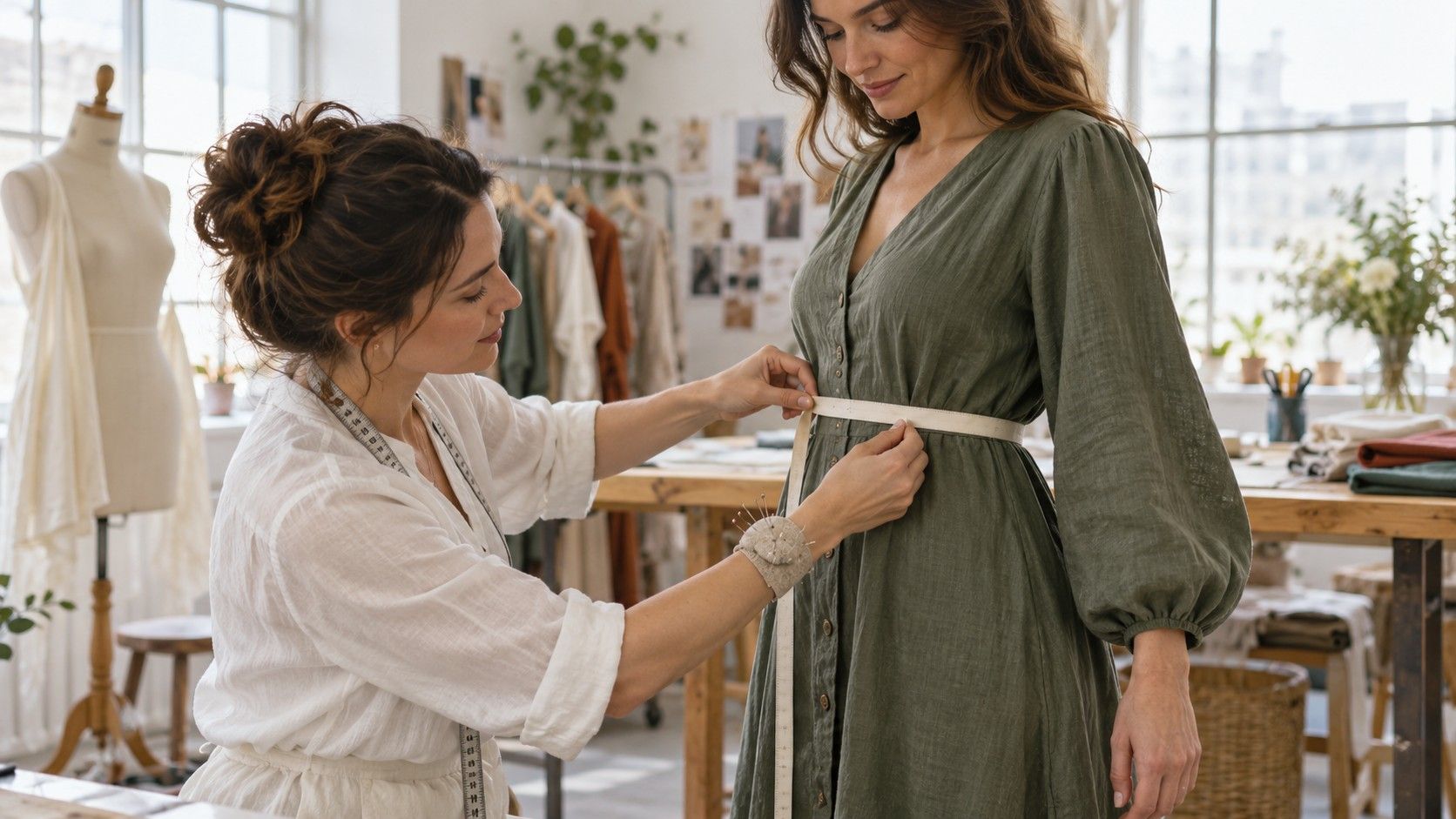
A summer dress is convenient when its cut does enough on its own. Look for a neckline that stays put, a comfortable armhole and a skirt you can sit in. Walk with a bag on your shoulder and see whether the fabric catches or shifts. A wrap-style dress may need a coverage check when seated; a button-front dress needs checking between buttons as well as at the waist.
If you want gentle definition, compare a shaped seam, an adjustable tie and a separate belt. They do different jobs. A seam gives a fixed shape, a tie can change through the day, and a belt may gather fabric into folds you either enjoy or find bulky. Try the dress without the belt first. Adding an accessory out of habit can obscure a cut that already works.
A plain dress also lets you vary the impression through texture. A woven bag can make it feel casual, while a smoother bag and a simple metal earring can feel more polished. These choices do not change your identity. They change the outfit's emphasis. If the dress is patterned or has an intricate neckline, start with fewer accessories and add only what you miss.
Choose shoes and bags for the route you will take
A sandal that feels fine for a minute can become distracting on a long walk. Check that your foot feels secure and that straps do not press or rub during a short trial. If you expect uneven streets, stairs or a long commute, use shoes that you already know work for those conditions. An outfit can be adapted around practical footwear more easily than a day can be adapted around painful shoes.
Bag placement affects the clothes as well. A heavy shoulder bag may drag on a loose sleeve; a crossbody strap can pull across a wrap neckline or catch a delicate fabric. Load the bag with your normal belongings for the fitting check. If the strap changes the way the outfit hangs, adjust its length, change the carrying position or choose another bag. The outfit should work with the things you actually carry.
For color, start with a small combination you already enjoy: two clothing colors and an accessory that sits comfortably with both. Soft Natural does not establish your seasonal color palette, and summer weather does not require pale shades. A dark dress may be your easiest option; a bright shirt may be the piece you most want to wear. Compare colors separately from the fit experiment so you can tell which change made the outfit better.
Before buying more, photograph two successful outfits and note what made them useful: the rise of the trousers, the shirt length, the dress fabric or a sandal that stayed secure. Repeat those practical details when shopping. The most convincing summer wardrobe is one you can reach for on a hot morning and then get on with your day.